
Theaflavins and Thearubigins: The Science of Ceylon Tea Antioxidants
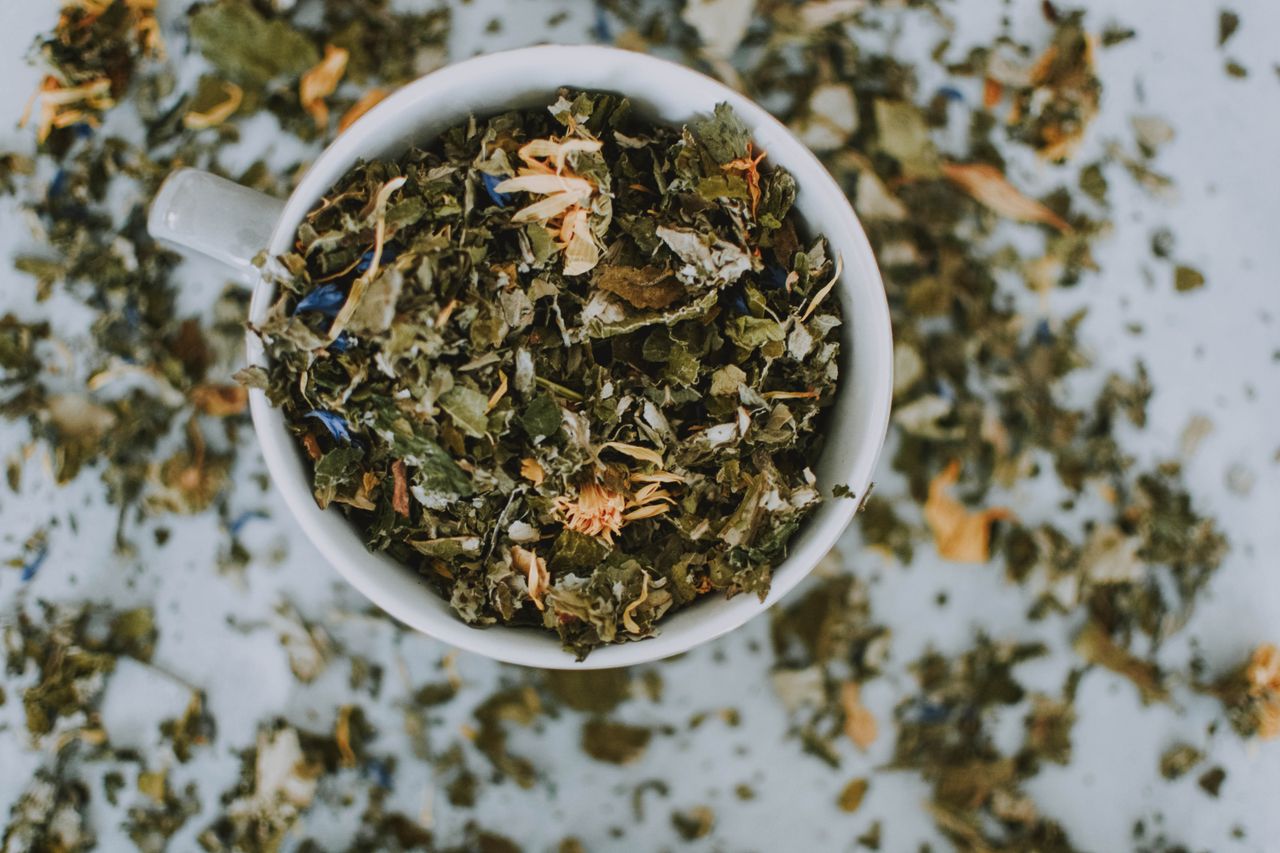
Black tea's signature amber colour comes from antioxidants that form during oxidation — and they are uniquely powerful defenders of cellular health.
Green tea is celebrated for its catechins. White tea for its purity. But black tea — including Ceylon black tea — has its own class of antioxidants that are arguably more relevant to everyday wellness: theaflavins and thearubigins. These are the compounds that give black tea its amber colour, its characteristic taste, and much of its health-protective value.
Where They Come From
During the oxidation (fermentation) of black tea, the simple catechins present in the fresh leaf undergo enzymatic transformation. Two catechins, EGCG and ECG, combine to form theaflavins — a family of bright-orange polyphenols. Further oxidation and polymerisation produce the larger, reddish-brown thearubigins, which account for 10–20% of black tea's dry weight and give the brew its deep colour.
Antioxidant Power
Both theaflavins and thearubigins are potent antioxidants — compounds that neutralise reactive oxygen species (free radicals) that damage DNA, proteins, and cell membranes. On a per-gram basis, some theaflavins have antioxidant activity comparable to, or exceeding, the catechins in green tea, though they are present in smaller quantities.
Anti-Inflammatory and Cardioprotective Effects
Research has demonstrated that theaflavins inhibit the oxidation of LDL cholesterol — a key step in arterial plaque formation — and modulate inflammatory pathways by reducing pro-inflammatory cytokines. Thearubigins appear to support these effects through complementary mechanisms not yet fully characterised.
A Unique Advantage of Black Tea
Because theaflavins and thearubigins are formed during oxidation, they exist only in black and oolong teas — not in green or white tea. This means that drinking black tea offers antioxidant compounds that are genuinely distinct from those in any other common beverage. For those who prefer a strong, dark, flavourful brew, this is excellent news: the very qualities that define a great black tea are the same ones that make it uniquely nourishing.