
How to Store Spices for Maximum Potency and Freshness
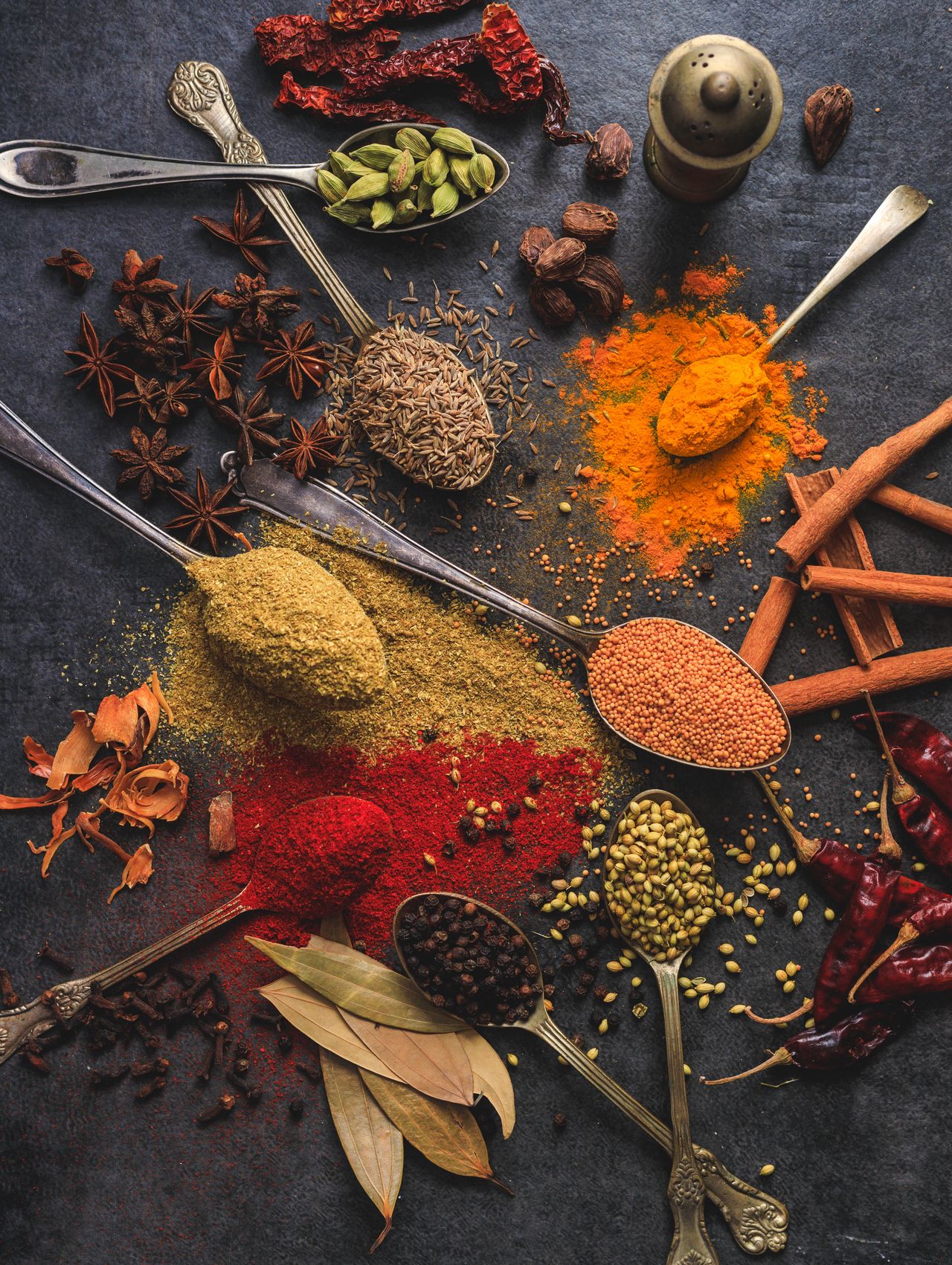
Most home cooks are cooking with dead spices and don't know it. Four principles keep every spice at full potency.
Spices do not last forever. The volatile aromatic oils that give them their flavour and health properties are fragile, degraded by heat, light, moisture, and oxygen. Most home pantries contain at least a few spices that are months — sometimes years — past their best. Here is how to prevent that.
The Four Enemies of Spice Freshness
1. Heat: Do not store spices above or near the stove. The heat generated by cooking gradually drives off the volatile oils in nearby spices, leaving a flat, papery residue where there was once vibrant flavour. A dedicated spice drawer, shelf, or cabinet away from heat sources is ideal.
2. Light: UV light oxidises the colour compounds in spices and degrades their aromatics. Clear jars on a sunny windowsill are perhaps the worst possible storage choice. Opaque tins or dark glass in a cupboard are far better.
3. Moisture: Spices cake, clump, and develop mould in humid environments. Keep them away from the dishwasher, sink, and stove. Never use a wet spoon to measure from a jar — always use dry utensils.
4. Oxygen: Airtight containers extend freshness significantly. If buying in bulk, decant into smaller sealed containers to minimise the headspace of air above the spice.
Whole vs Ground
Whole spices (peppercorns, cinnamon sticks, cardamom pods) last 2–4 years properly stored. Ground spices retain peak quality for 6–12 months. If you are not cooking with a spice often, buy it whole and grind as needed.
The Sniff Test
The simplest freshness test: crush a small amount of the spice between your fingers and smell it. It should be vivid and immediately recognisable. A faint, dusty, or non-specific smell means it has lost its potency and needs replacing.