
A Beginner's Guide to Ceylon Tea Grades
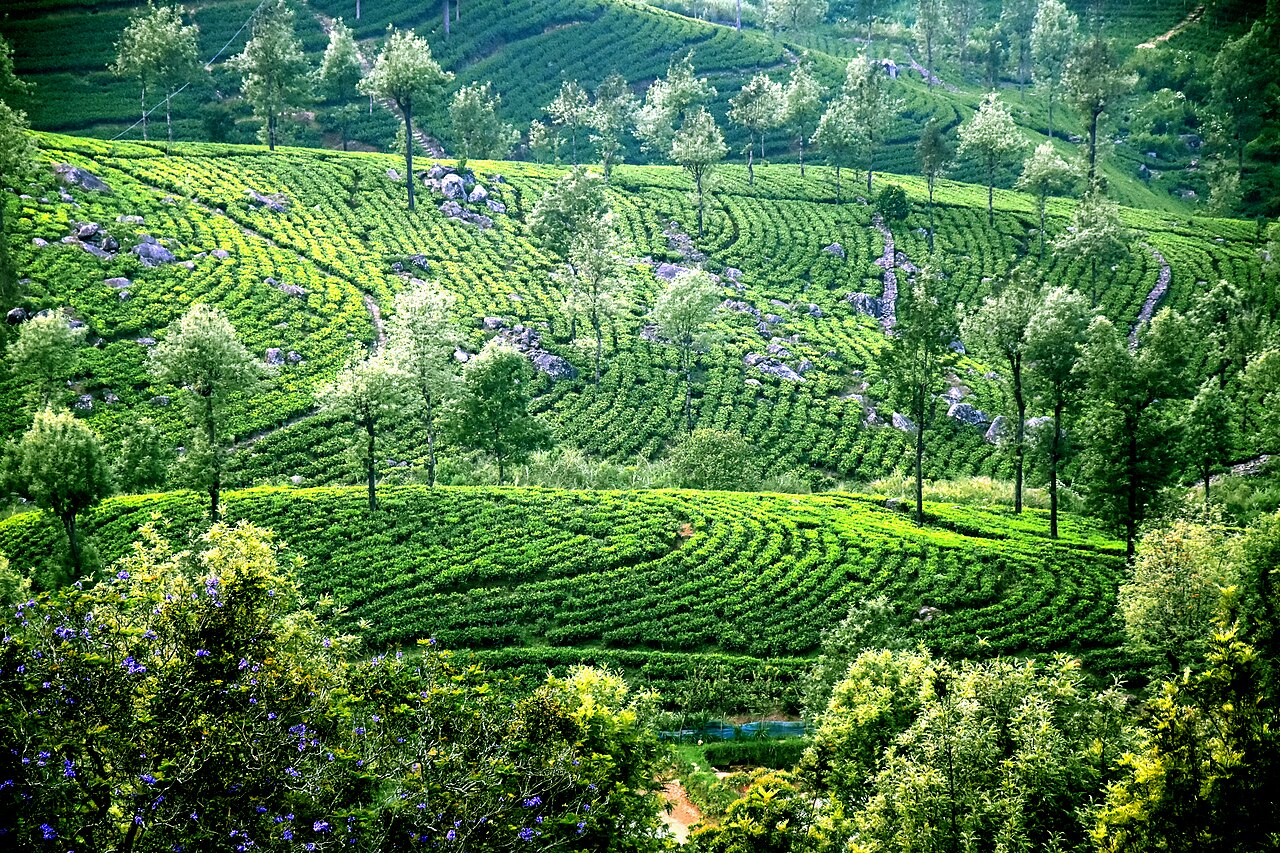
What do letters like OP, BOP and FBOPF actually mean? A plain-English introduction to how Ceylon tea is graded by leaf size, processing and appearance.
If you have ever turned over a packet of Ceylon tea and found a string of capital letters — OP, BOP, FBOPF1 — you have met the language of tea grading. These are not quality marks in the way a star rating is; they describe the size and style of the leaf in the pack, which in turn shapes how the tea brews in your cup.
What a grade actually tells you
The Tea Exporters' Association of Sri Lanka classifies teas by three things: leaf size, processing method and appearance. Larger, whole leaves generally give a lighter, more aromatic and nuanced brew; smaller, broken leaves and particles release colour and strength much faster, which is why they end up in tea bags.
The main families of grade
- Whole leaf — long, twisted, intact leaves. Delicate and aromatic (e.g. OP, OPA).
- Broken leaf — smaller pieces with a good balance of taste and strength (e.g. BOP, FBOP).
- Fannings — smaller still, brewing stronger and quicker (e.g. BOPF, FBOPF1).
- Dust — the finest particles, fast and robust, ideal for tea bags (e.g. D1).
On top of leaf style, Ceylon teas are also distinguished by manufacture — traditional Orthodox rolling versus the modern CTC (Cut, Tear, Curl) method — and by the type of tea itself: black, white and green.
Where to go next
In this series we walk through every grade in the Ceylon nomenclature, family by family: orthodox black leaf grades, fannings and dust, CTC and off grades, white tea, and green tea. Whatever the letters say, the joy is in the cup — explore the range and find the leaf that suits how you brew.