Ceylon Cinnamon vs Cassia: Why True Cinnamon Matters
Most cinnamon sold worldwide is actually cassia. Discover what makes genuine Ceylon cinnamon different — and why it belongs in every kitchen.
The Most Misunderstood Spice
Walk into any supermarket and pick up a jar of cinnamon. There is a good chance what is inside is cassia (Cinnamomum cassia), a closely related but distinct spice native to China and Vietnam. True Ceylon cinnamon (Cinnamomum verum), also called true cinnamon, comes almost exclusively from Sri Lanka.
How to Tell Them Apart
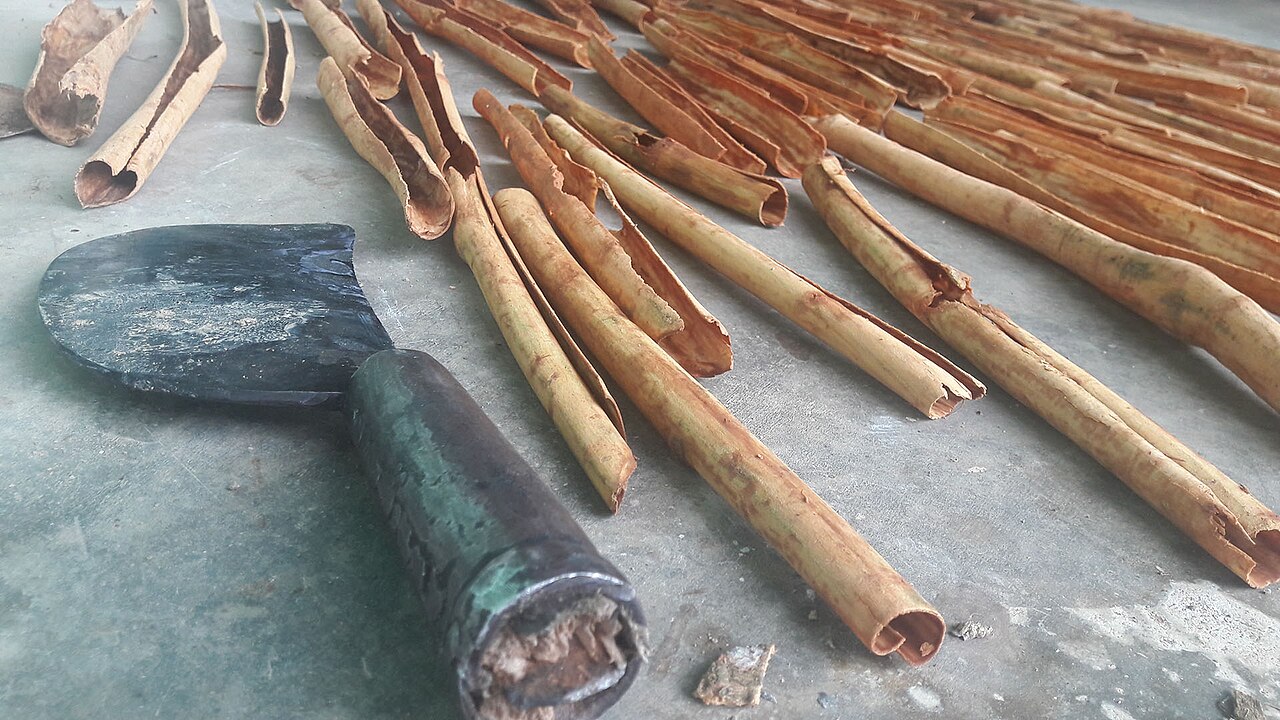
Ceylon cinnamon forms multiple thin, papery layers rolled together — you can crumble it with your fingers. Cassia bark is thick and hard.
- Flavour: Ceylon is delicate, mildly sweet, and floral. Cassia is sharper and pungent.
- Coumarin: Cassia contains high levels that can affect the liver. Ceylon contains negligible amounts.
- Best uses: Ceylon shines in desserts, teas, and milk-based dishes.
In the Kitchen
Use a Ceylon stick to infuse milk for rice pudding. Grind quills fresh for apple crumbles. Add a broken stick to your morning pot of black tea — it transforms the cup.
Sourcing
All Ceylon Blends cinnamon is harvested from small-holder gardens in the Matara and Galle districts of southern Sri Lanka, the heartland of cinnamon cultivation. The bark is peeled, rolled, and dried by hand using techniques unchanged for generations.
From our pantry