
Black Pepper vs White Pepper: Differences and Best Uses
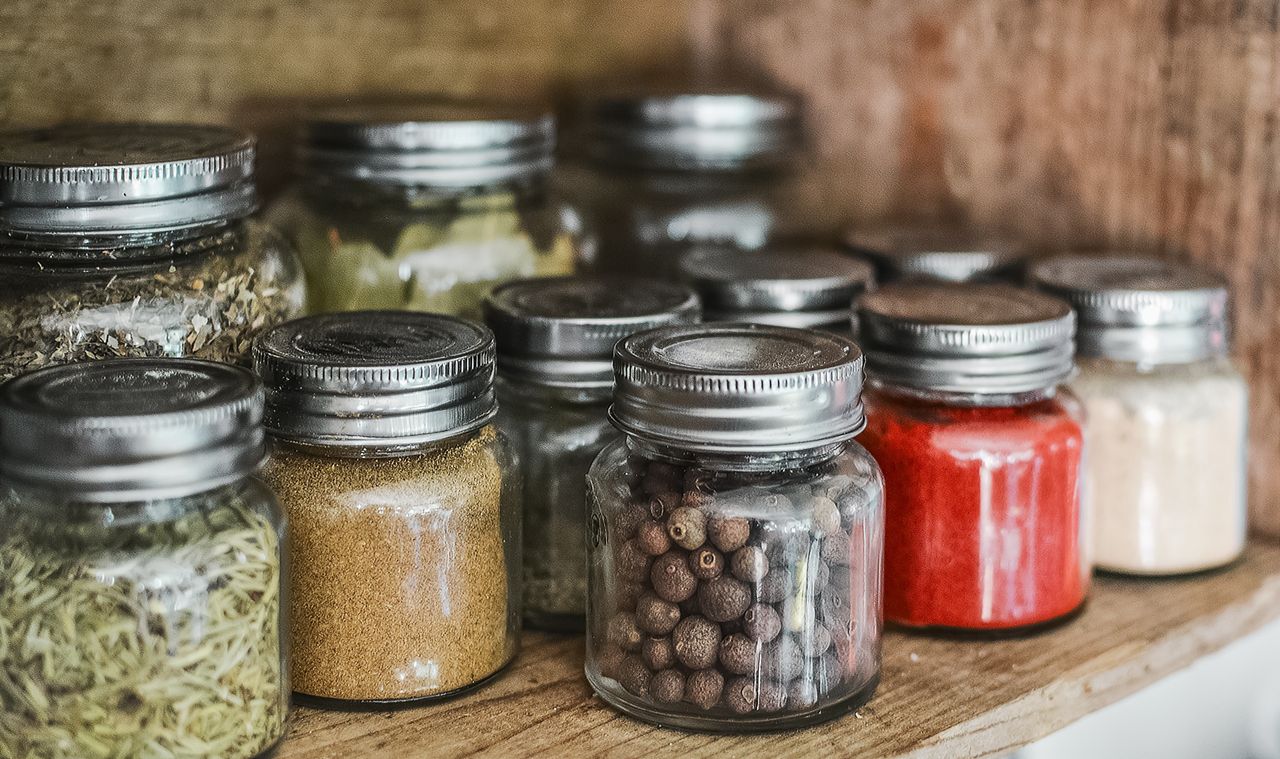
Both come from the same plant, but black pepper and white pepper have genuinely different flavour profiles and different culinary roles.
Black pepper and white pepper both come from Piper nigrum — the same plant, often grown in the same gardens. The difference lies in processing, and that difference creates two genuinely distinct spices with different flavour profiles and culinary applications.
How They Are Made
Black pepper: The berry is picked when still green or just beginning to turn red, then dried — the skin wrinkles and darkens to black or dark brown during drying. The outer skin contains many of the most complex aromatic compounds.
White pepper: The berry is allowed to ripen fully, then soaked in water for around two weeks to ferment and soften the outer skin, which is then removed by rubbing. The white inner seed is dried. Some of the most volatile aromatics are lost during this process, producing a different — and in some respects simpler — flavour profile.
The Flavour Difference
Black pepper is aromatic, complex, and layered — woody, piney, and slightly citrusy in addition to hot. The heat is sharp and immediate. It is the more versatile spice for everyday cooking.
White pepper is hotter gram-for-gram but less aromatic. Its heat is earthier and more persistent. Some describe a fermented, funky quality that black pepper lacks. It is also less visually obtrusive in pale sauces and light-coloured dishes.
Best Uses
- Black pepper: Grilled meats, pasta, egg dishes, salads, most Sri Lankan and Indian cooking, finishing seasoning
- White pepper: White sauces (béchamel, velouté), pale soups, Chinese cooking (particularly stir-fries and broth-based dishes), dishes where dark specks would be visually unwelcome
For most purposes, quality black pepper from Sri Lanka is the superior choice — richer, more complex, and more versatile. White pepper has its specific uses, but it is not a straight substitute.