Black Pepper: The King of Spices from Sri Lanka
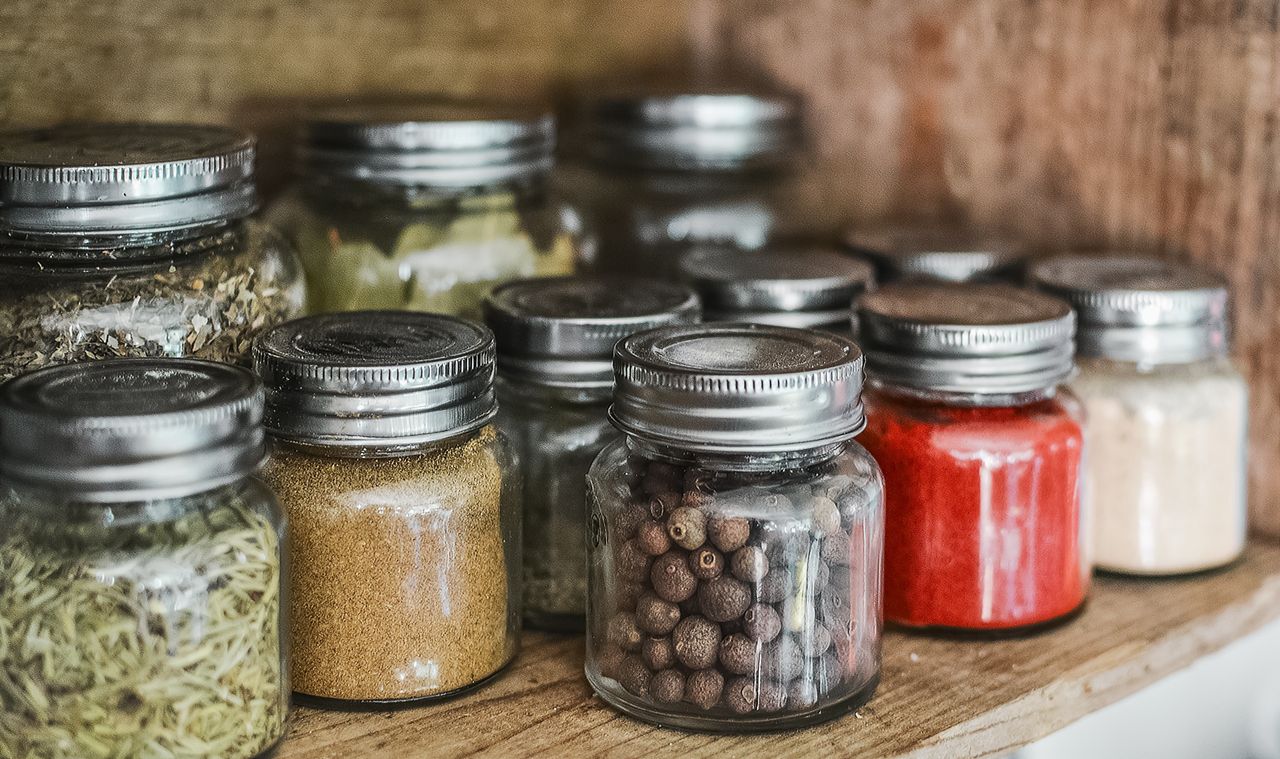
For two millennia, black pepper was so valuable it was used as currency and demanded as tribute. Sri Lanka still produces some of the world's finest.
Before sugar, before chilli, before almost every other spice trade commodity, there was black pepper. Piper nigrum — native to South Asia — was the engine of the ancient spice trade, the prize sought by every major civilisation from Rome to Tang Dynasty China, and the economic catalyst behind the Age of Exploration. It remains, by volume, the world's most traded spice.
A Commodity That Shaped History
In ancient Rome, black pepper was prized to the point of being used as currency. When the Visigoths sacked Rome in 410 AD, their ransom demand included 3,000 pounds of pepper. Medieval European tax records routinely accepted pepper in lieu of gold. This extreme value drove European nations to seek direct sea routes to the spice-producing regions of South and Southeast Asia — voyages that reshaped the entire world map.
Sri Lanka's Pepper Heritage
Sri Lanka has cultivated black pepper for over 2,000 years. The island's pepper, grown primarily in the Kandy, Matale, and Kegalle districts at moderate altitudes, is known for its bold, complex heat with aromatic fruity and floral notes that distinguish it from the simpler pungency of lower-quality pepper. The key compound is piperine — the alkaloid responsible for pepper's characteristic bite.
Whole Seeds vs Ground Powder
Whole black pepper seeds retain their volatile aromatics far longer than ground pepper, which begins to lose its essential oils within weeks of grinding. For the freshest flavour, buy whole seeds and grind as needed. For convenience in cooking, high-quality pre-ground pepper from a reputable source like CeylonBlends is an excellent everyday option.
Culinary Versatility
Black pepper is one of the few spices that works in virtually every culinary tradition — from Sri Lankan tempering to French sauces to Italian pasta, Moroccan tagines, and Korean kimchi. Its heat is different from chilli: sharper, briefer, and more aromatic. It doesn't build cumulatively — it delivers its impact immediately and cleanly.
From our pantry