The Ayurvedic Heritage of Sri Lankan Spices
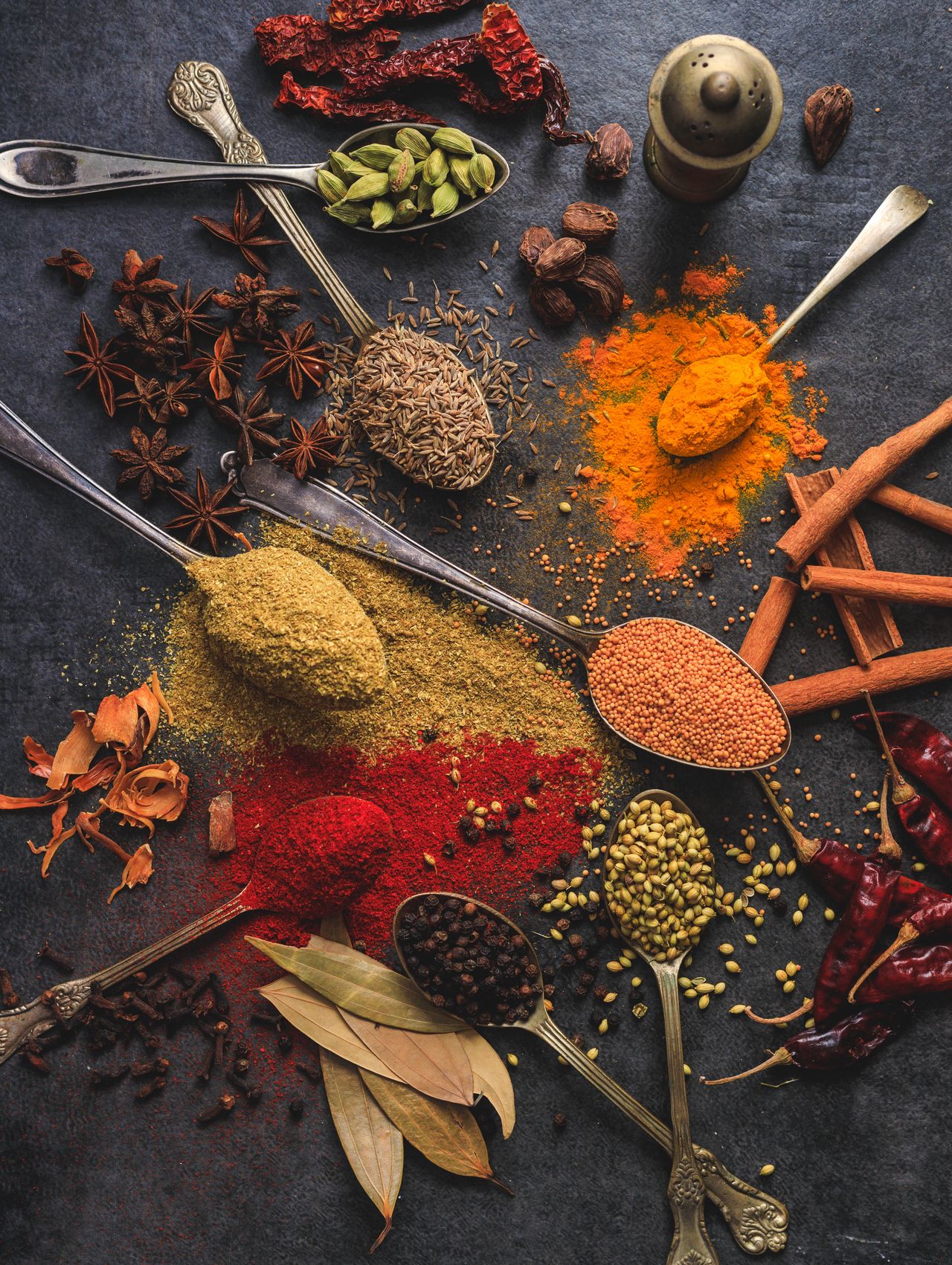
Sri Lanka's spice tradition is inseparable from Ayurveda — one of the world's oldest wellness systems, which recognised the healing power of these plants millennia ago.
Ayurveda — the ancient Indian system of medicine, meaning "knowledge of life" — has been practiced in Sri Lanka for over 3,000 years. Its influence permeates the island's relationship with spices, which are understood not merely as food flavourings but as medicines, each with specific properties that affect the body's systems. Much of what modern nutritional science is now discovering about spice bioactivity was recorded in Ayurvedic texts millennia earlier.
The Three Doshas and Spice Selection
Ayurvedic medicine organises human constitution and health around three doshas — Vata, Pitta, and Kapha — each representing different physiological and psychological tendencies. Spices are prescribed or recommended based on their effect on the doshas:
- Turmeric is considered tridoshic (balancing to all three doshas) and is perhaps Ayurveda's most universally used herb-spice.
- Black pepper (and long pepper) are heating spices used to kindle agni — digestive fire — and improve the bioavailability of other medicines. The concept of enhancing absorption predates modern pharmacokinetics by two millennia.
- Cinnamon is used to warm and stimulate, particularly for conditions associated with Kapha imbalance (sluggishness, poor circulation, respiratory congestion).
Trikatu: The Original Bioavailability Formula
Trikatu — literally "three pungents" — is a classic Ayurvedic formula combining black pepper, long pepper, and ginger. It has been used for centuries to enhance the absorption of co-administered herbs and medicines. The mechanism is now understood to be largely piperine's inhibition of metabolic enzymes — the same effect that modern researchers rediscovered in the 1990s.
Spice as Everyday Medicine
In Sri Lanka, the boundary between cooking and medicine is deliberately blurred. The daily meal is conceived as an opportunity to nourish, balance, and heal — a philosophy that aligns remarkably well with contemporary nutritional science's growing recognition that whole-food bioactive compounds have meaningful health effects consumed regularly over time.
From our pantry